


789jl | The Enduring Appeal of Strategy Games: A Deep Dive into the World of Tactical Gaming
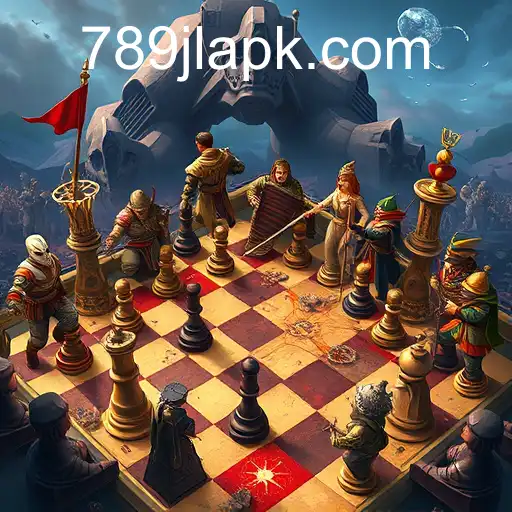
In the ever-evolving landscape of digital entertainment, strategy games have carved out a niche that continues to capture the imagination of players worldwide. Characterized by the mental acuity they demand, these games have sustained their popularity across various platforms and generations. Whether it's the historical conquests of 'Civilization,' the real-time combat of 'StarCraft,' or the intricate city-building challenges of 'Cities: Skylines,' strategy games offer a unique blend of intellect and entertainment.
The key appeal of strategy games lies in their demand for critical thinking, foresight, and adaptive strategies. Unlike other game genres, strategy games engage players with scenarios that often mirror real-life challenges, requiring innovative solutions and efficient resource management. This makes them not only a source of entertainment but also a valuable exercise in strategic planning and decision-making skills.
The evolution of strategy games from board-based origins to complex, digital simulations has broadened their accessibility and appeal. The introduction of online multiplayer capabilities has taken this genre to new heights, facilitating global competitions and community engagement. In games like 'League of Legends' or 'Dota 2,' players must collaborate and compete on a grand scale, devising strategies to outsmart opponents.
A crucial aspect of strategy games is their diversity, offering something for every type of strategist. For those who relish historical references, games like 'Age of Empires' provide a comprehensive blend of education and engagement. Meanwhile, fans of futuristic narratives can delve into the intergalactic battles of 'StarCraft II.' This diversity in content ensures that the genre remains evergreen, catering to varied interests and sustaining player engagement.
Moreover, the continuous advancements in artificial intelligence (AI) have amplified the single-player experience, creating more challenging and realistic adversaries that test player skills at every turn. With AI development, strategy games are becoming more sophisticated, offering scenarios that adapt to and learn from player behavior, delivering a fresh and challenging experience each time.
In summation, the enduring popularity of strategy games is a testament to their rich, dynamic nature. As they continue to evolve, expanding into virtual reality and leveraging emerging technologies, their strategic essence remains unchanged. Players are not just participants but are invited to command armies, manage economies, and negotiate diplomacies, roles that are as stimulating as they are rewarding. This unique blend of narrative depth, strategic challenge, and player empowerment ensures that strategy games will remain a cornerstone of the gaming world.
